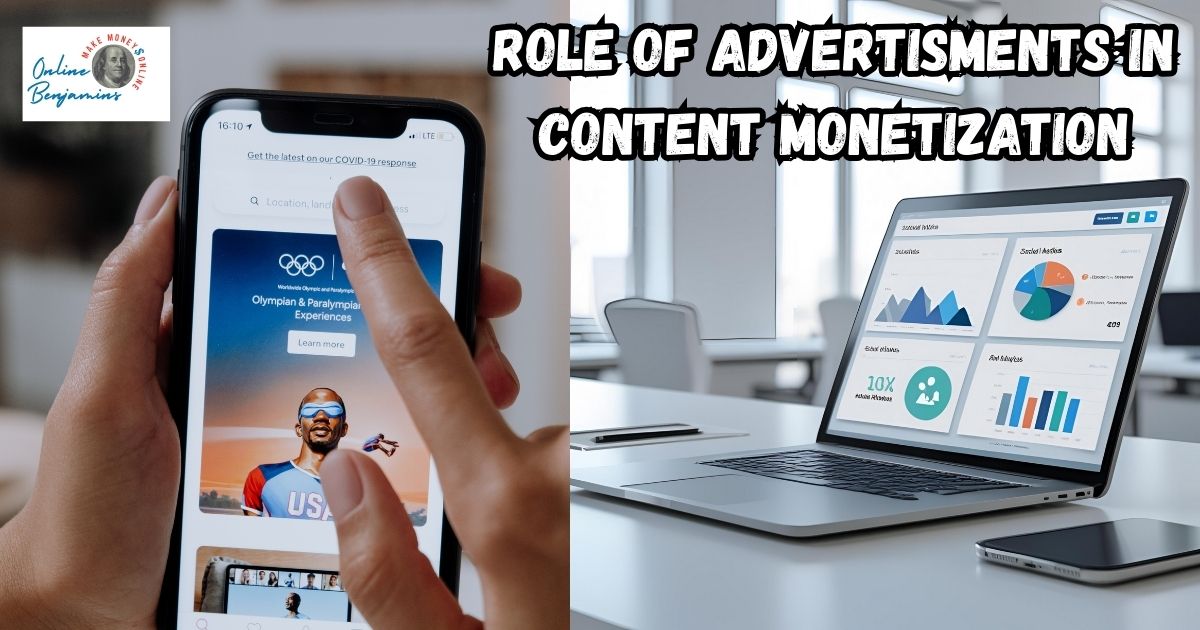
Advertisements are a big reason why so much digital content stays free for everyone to read, watch, or listen to online. As someone who has worked around both content creation and site management, I see ads as the invisible engine that helps creators turn their work into earnings without charging the audience directly.
QUICK LOOK: – Types of Advertisements for Content Monetization
- Display Ads: These are banner or sidebar ads on web pages. They are easy to set up, and if my site gets steady traffic, they can become a regular source of income.
- Video Ads: These pop up before, during, or after videos. I find them useful for video-heavy platforms because advertisers usually pay much more for these spots.
- Native Ads: These look and feel like regular content, blending in with the articles or lists. They often have higher engagement since they don’t always disrupt the reading experience.
- Rewarded Ads: Especially in apps and games, users can opt to view these ads in exchange for bonuses or extra features. People rarely mind these, and engagement is usually high because the ad offers something back to the user.
- Interstitial Ads: These full-page ads appear at natural breaks, like between game levels or when you click to the next article. They get more attention but can be a bit annoying if overused.
How Advertisements Support Free Content
When I visit a popular blog, streaming video site, or news platform, I usually notice that content is free at the point of use. This is possible because advertisers pay to showcase their brands to certain groups of people. By placing ads alongside articles, videos, or audio, publishers can get paid just for audience attention, not just from direct sales or subscription fees.
This model means creators and publishers focus on building an audience first. Once they attract regular visitors or viewers, they can offer that attention to advertisers who are looking for specific audiences to show their ads. The bigger and more engaged the audience, the more opportunity there is for earning through advertising.
This arrangement works fine for most users, since they can access valuable content without any upfront cost. It also encourages diversity in digital publishing, as even niche creators can earn a living simply by attracting an interested audience.
How the Advertising Monetization Process Works
Turning visitor attention into income with ads involves a few important steps, many of which are automated these days. Here’s a snapshot of how the process works:
- Content Creation & Audience Growth: I put effort into making content that people want to consume, such as articles, reviews, videos, or even tools and games. My goal is always to keep the audience coming back, as advertisers value active, returning visitors.
- Ad Integration: Once my site has regular traffic, I place ad spaces in visible but sensible spots. This can be done by signing up with services like Google AdSense or working with direct ad partners. These partners deliver the ads for me and handle the technology needed to display them.
- Ad Matching & Auction: Advertisers set up campaigns targeting certain demographics or interests using platforms called DemandSide Platforms (DSPs). The available ad spaces on my content get presented in real-time auctions, where the highest bidding advertiser fills the spot. This happens behind the scenes in milliseconds every time a user loads a page.
- Ad Display & Earning: Once the ad is shown, my earnings come from different models. Sometimes I get paid just for displaying the ad (CPM), sometimes only when someone clicks (CPC), or even when a reader takes action, like signing up for a newsletter (CPA).
Thanks to these automated processes, even smaller sites can reach big brands that want to advertise. This makes advertising a practical option for millions of creators worldwide.
Major Advertising Payment Models
Understanding how I get paid helps me decide which ad options fit my content best. There are a few common ways advertisers pay for attention and results:
- CPM (Cost Per Mille/Thousand Impressions): I earn a set amount every time the ad gets shown 1,000 times. This rewards me for pure traffic volume, which works well for high traffic sites.
- CPC (Cost Per Click): Payment only happens when someone actually clicks on an ad. This model needs an engaged audience willing to click through.
- CPA (Cost Per Action): I get paid when someone takes a specific action, like signing up for a free trial or making a purchase. This can sometimes mean bigger earnings, but it depends on convincing people to take that step.
In addition to these, some advertisers offer hybrid models or flat fees for longer-term partnerships, particularly for direct deals with larger sites.
Most Popular Ad Formats for Monetization
Content creators like me have a variety of ad types to choose from. Matching the right format to your audience and platform can make a big difference in both user experience and revenue.
- Display Ads: These are banner or sidebar ads on web pages. They are easy to set up, and if my site gets steady traffic, they can become a regular source of income.
- Video Ads: These pop up before, during, or after videos. I find them useful for video-heavy platforms because advertisers usually pay much more for these spots.
- Native Ads: These look and feel like regular content, blending in with the articles or lists. They often have higher engagement since they don’t always disrupt the reading experience.
- Rewarded Ads: Especially in apps and games, users can opt to view these ads in exchange for bonuses or extra features. People rarely mind these, and engagement is usually high because the ad offers something back to the user.
- Interstitial Ads: These full-page ads appear at natural breaks, like between game levels or when you click to the next article. They get more attention but can be a bit annoying if overused.
Popup ads, expandables, and custom takeover ads are also present on some major platforms, though those tend to be used carefully to avoid overwhelming users.
Why Advertisements Appeal to Content Creators
I keep coming back to ads as a monetization tool for several reasons that make sense for creators of all sizes:
- Scalability: The more visitors or viewers I get, the more money I can potentially earn. Audience growth usually matches up to growth in ad revenue.
- Low Barrier to Entry: Most platforms make it simple to get started, even for a new blogger, podcaster, or video creator. Setup does not require much investment or technical skill for basic ad models.
- Passive Income: After the ads are set up on evergreen or frequently visited content, I can keep earning while focusing on making more content, provided I keep traffic steady.
- Monetizing Free Users: Ads let everyone access my work without needing to pay, so I can benefit from users who may never subscribe or buy a product directly.
For creators with limited resources or those just starting, ad monetization offers a practical and accessible way to start earning. Plus, it allows for growth as the site expands.
Key Factors That Affect Ad Revenue
Ad income is not the same for everyone. A few important details can make a big difference in what ends up in my account each month:
- Audience Demographics: Advertisers pay more for certain age groups, locations, or interests. For example, finance and tech audiences tend to attract higher bids.
- Content Topic: Content about high-value areas, like business, travel, or software reviews, usually commands better ad rates because advertisers expect to get more sales or leads from these audiences.
- Seasonality: Advertising demand, and therefore rates, can increase during holidays or major shopping seasons. My earnings tend to spike around Black Friday or the end-of-year holidays.
- Platform Policies: Changes in ad network rules or technology can suddenly affect my earnings. Keeping updated and flexible is really important to maintain a steady income.
Another key factor is mobile usage. As people shift more time onto phones and tablets, ad formats that work well on mobile platforms become more important for maximizing revenue.
Common Challenges with Ad-Based Monetization
While advertisements help pay the bills, they are not without downsides. These are some of the real obstacles I have run into or have seen others deal with:
- User Experience: Too many or poorly placed ads can annoy readers, causing them to leave or use ad blockers. I always test to find a balance that does not drive my audience away.
- Dependency on Third Parties: My earnings depend on outside platforms, so when ad networks change policies or payment rules, I sometimes have to adapt quickly.
- Maintaining Trust: Ads that blend in with editorial content, like native ads or sponsored posts, can make people feel misled if they are not clearly labeled as ads. I try to be open with my readers so I do not lose their trust.
- Brand Safety & Ad Quality: Bad quality or inappropriate ads can make my site look unprofessional. Most ad networks give me some control, but I still have to check and sometimes block unwanted ads.
User Experience & Ad Blocking
Keeping a clean, enjoyable experience helps encourage return visits. I notice that too many pop-up or autoplay ads often push users to install ad blockers. Site speed also matters. A slow site stuffed with ads drives people away and lowers search rankings, which hurts revenue.
Transparency with users also plays a role. Clear labeling and honest placement will make visitors trust the site more and keep ad-blocking rates down.
Balancing Advertisements with Other Monetization Methods
Many successful sites and creators use ads alongside other monetization, like affiliate links, merchandise, or subscriptions. I look at what my audience responds to best and mix models when it makes sense, always putting user experience first to maintain a loyal audience.
Experimenting with different income sources helps buffer against sudden dips or changes in the advertising landscape.
Practical Examples of Ad Monetization
Real-world examples always help make things clearer. Here are some practical ways creators benefit from ad monetization:
- Bloggers & News Sites: Content-rich sites with regular visitors do well with display and native ads, earning a steady stream of income as long as they keep posting new articles and updates.
- Video Creators: YouTube uses a mix of video ad formats. Even small channels can earn decent revenue if they focus on niche topics that advertisers want.
- App Developers: Many free mobile games and apps use rewarded or interstitial ads as a core part of their income strategy, letting users access premium features in exchange for viewing ads.
- Podcast Hosts: Podcasts insert audio ads, often tailored to their listeners’ interests, giving sponsors direct access to engaged listeners and the host a share of the revenue.
Social media influencers also boost earnings by combining sponsored posts—clearly marked as ads—with traditional display ad placements on their blogs or video content.
Frequently Asked Questions on Advertisements for Content Monetization
Here are some top questions I get about using advertisements to monetize content:
Are ads the best way to monetize my blog or site?
Ads are easy to set up and suit most high-traffic sites. For smaller audiences or specialized topics, combining ads with other methods like affiliate marketing can work even better.
How much can I expect to earn from ads?
Earnings range from a few dollars per month on low traffic sites to thousands for well-established ones. Results depend on audience size, topic, and engagement.
Will ads reduce trust with my audience?
Trust stays strong if ads are relevant and clearly labeled. I always avoid misleading or deceptive ad placements to keep loyalty high.
Final Thoughts on Advertisements
Advertisements keep many digital spaces free, helping creators like me earn without putting content behind a paywall. The approach is not perfect and brings its own challenges, but it is a powerful option for turning content and traffic into real-world earnings, especially when balanced well with user experience. Staying up to date with trends in advertising and regularly checking what works for my audience helps ensure ongoing success in monetizing digital content.
Check Out Our Most Recent Articles:
- Is Amazon FBA Dead?

- Dealing With YouTube Algorithm Changes Reducing Views

- Digital Downloads Vs Printables Vs Print-on-Demand: Revenue Comparison For Creators

- YouTube Vs TikTok Monetization: Which Yields Higher Creator Income?

- Best Affiliate Marketing Programs For Small Content Creators

- Dealing With Algorithm Changes Affecting Website Traffic

Wishing You Much Success in Monetizing Your Content with Advertisements,

- onlinebenjamins.com
- thebeachangler.com
- thesinnerinthemirror.com
- diyoutdoorsmen.com
- Facebook: Online Benjamins
- Twitter: @onlinebenjamin1
- Instagram: dotcomdinero
- YouTube: Online Benjamins
Rex
P.S. If you have any questions or are unsure of anything, I am here, and I promise I will get back to you on all of your questions and comments. Just leave them below in the comment section. Follow me on Twitter: @onlinebenjamin1, Instagram: dotcomdinero, and Facebook: Online Benjamins.


Hi,
Thanks for stopping by and congratulations for taking the first steps to building your own online business. I’ve been in business both offline and online since 1997. I would consider it an honor to help you build your business. Father of 3, life long outdoorsman with an education in Genetics and Economics. This site is about cutting through the BS and finding the real opportunities in the online world. I look forward to working with you.