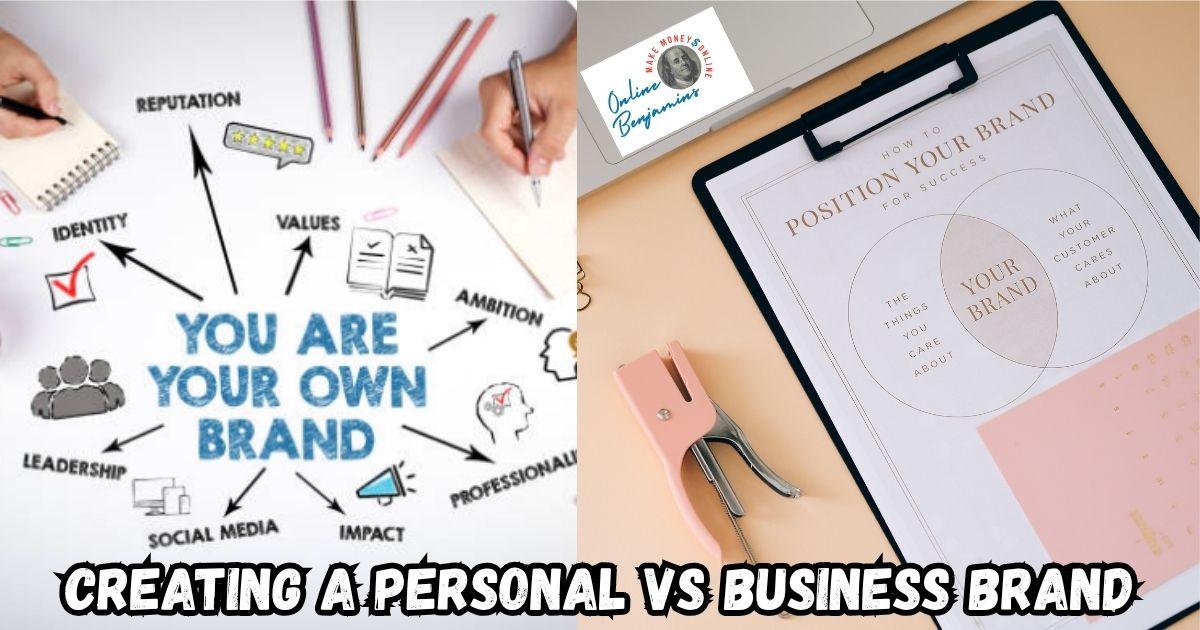
Trying to decide between building a personal brand or a business brand can feel challenging, especially if you want to create a strong presence for your work or company. My experience with both has shown me how much the choice affects operations, marketing, and long-term success.
QUICK LOOK: – Personal vs Business Brand Comparison
| Personal Brand: How & When |
|---|
| Find your “why” and your story: Write down what motivates you and why you want to share that story. Audiences often connect best to people who are upfront about their real adventure. |
| Pick a focused niche: Picking a specific area makes you stand out and be the “go-to” person for that field. For example, narrowing my focus to “email copywriting for coaches” led to more relevant opportunities my way. |
| Create helpful content: Consistently share tips, thought-leadership, and even behind-the-scenes updates. I saw growth when I posted weekly insights, even if every post wasn’t a hit. |
| Keep it real: Sharing both wins and struggles builds trust; my best responses came when I shared my path honestly, not just highlight reels. |
| Get involved and network: Reply to comments, DM your followers, and connect with other pros in your space. A few of my best partnerships started from simple Instagram chats. |
| Business Brand: How & When |
|---|
| Clarify mission and vision: These guide everything from team decisions to customer experience and help everybody row in the same direction. |
| Design a strong “look and feel”: Pick design parts that work everywhere—website, packaging, business cards, even your invoices. |
| Cultivate company culture: Get your team to buy in. A clear inside brand means better teamwork and builds loyalty in both employees and clients. |
| Do industry research: See what others are doing well and where your brand could fill in gaps. Noticing a demand for fast-delivery services, for example, helped one client grow a brand built on reliability. |
| Game plan for scaling: Lock down legal protections, trademarks, and processes early. This makes adding products or team members, or even selling your company later, much smoother. |
Personal and business brands both need clear direction and consistent messaging, but the focus for each is very different. I want to share how each type works, how to pick the one that fits your goals, and steps to get started building a brand you’ll be proud of.
Understanding Personal vs. Business Branding
A personal brand centers around what makes you unique as an individual, including your story, personality, distinct expertise, and values. When I built my personal brand, I focused on sharing my experiences, telling honest stories from my adventures, and showing how I tackle challenges in my field. People connect with personal brands on a direct, human level. They might follow you for your advice, personality, or behind-the-scenes insights.
In contrast, a business brand represents an organization as a whole. Instead of one person, it’s about creating an identity that appeals to your target audience, no matter who is on the team. Business branding is designed to last beyond any single leader.
When I worked on business branding projects, I invested more time defining the company’s mission, creating a shared identity, and focusing on what the organization as a whole could deliver, not just an individual’s talents.
Why Your Brand Type Matters
The brand type you go with shapes how you promote your work, who finds you, and your flexibility for the future. Personal brands help create fast, high-trust connections. This is useful if you offer services, consulting, or creative work. When I started as a freelancer, people often picked me because they already knew what I stood for and how I worked.
Business brands, on the other hand, support growing teams, launching new products, and building something scalable and sellable. One situation with a growing agency highlighted this for me. When the business brand was solid, clients came for the reputation and process, not just one person’s skills. It made growth and teamwork much easier, and it helped the company last even as team members came and went.
Steps for Building a Strong Brand Foundation
No matter which brand you pick, getting the basics right matters a lot. Here’s how I build brand foundations for myself and for clients I’ve helped:
- Identify your core identity: You need to know what you—or your business—stand for before anything else. I like to start by writing down my purpose and main goals.
- Define clear values: Pick a few guiding principles. These keep your messaging focused and help attract people who share your mindset. I’ve noticed that turning down jobs that don’t fit my values helps my brand, even if it’s tough at first.
- Pinpoint your Unique Value Proposition (UVP): List what makes you, or your business, different from others out there. This shapes all your messaging.
- Research your market and audience: Study who you want to reach. For business brands, I map out customer profiles and spot common challenges in the industry.
- Set a visual style: Choose colors, logos, and fonts that match your brand’s personality. I stick with the same visual cues for consistency across all channels, even for my personal brand.
- Develop a brand voice: Decide if your tone is casual, formal, witty, or expert. Then use it in everything: your site, your social media, email—wherever your audience reads your messages.
Building in these pieces early means your brand feels planned out, is easier to remember, and creates trust with new audiences.
Personal Branding: How and When to Build It
I suggest focusing on a personal brand if you’re selling your knowledge or talent, starting solo, or if your direction could still change. Here are steps that have helped me and folks I mentor:
- Find your “why” and your story: Write down what motivates you and why you want to share that story. Audiences often connect best to people who are upfront about their real adventure.
- Pick a focused niche: Picking a specific area makes you stand out and be the “go-to” person for that field. For example, narrowing my focus to “email copywriting for coaches” led to more relevant opportunities my way.
- Create helpful content: Consistently share tips, thought-leadership, and even behind-the-scenes updates. I saw growth when I posted weekly insights, even if every post wasn’t a hit.
- Keep it real: Sharing both wins and struggles builds trust; my best responses came when I shared my path honestly, not just highlight reels.
- Get involved and network: Reply to comments, DM your followers, and connect with other pros in your space. A few of my best partnerships started from simple Instagram chats.
With personal branding, flexibility and authenticity are two of your most valuable tools. Your brand grows with you, which makes it easier to adjust as your expertise and interests grow.
Business Branding: How and When to Focus on It
If your goal is to scale up, bring in investors, or eventually have a team run things, a business brand often makes more sense. When I moved to business branding, these are the systems I relied on:
- Clarify mission and vision: These guide everything from team decisions to customer experience and help everybody row in the same direction.
- Design a strong “look and feel”: Pick design parts that work everywhere—website, packaging, business cards, even your invoices.
- Cultivate company culture: Get your team to buy in. A clear inside brand means better teamwork and builds loyalty in both employees and clients.
- Do industry research: See what others are doing well and where your brand could fill in gaps. Noticing a demand for fast-delivery services, for example, helped one client grow a brand built on reliability.
- Game plan for scaling: Lock down legal protections, trademarks, and processes early. This makes adding products or team members, or even selling your company later, much smoother.
A business brand gives structure and staying power, making it easier to handle growth, teams, or changes in leadership.
Mixing Personal and Business Brands Effectively
Some of the most successful company founders use both kinds of brands. I’ve found that if you’re the initial face of your company, a personal brand can give early credibility and bring in customers fast. Over time, the business brand can develop its reputation, letting you step back, bring in new team members, or pivot the company’s direction.
Some folks use their personal brand as an “umbrella” for several ventures. If your audience trusts you, they’ll likely check out anything else you attach your name to. By sharing your personality and insights publicly while mentioning your business products or services, both your brands can grow together without confusion or dilution.
What To Ask Yourself Before Choosing
Before you make the call, these are questions I always pose to clients—and myself—to narrow things down:
- What do you really want in the long run? Build to sell, or become the go-to expert?
- What does your industry usually expect? Personal brands work well for creatives and speakers. Business brands often do better in tech and retail spaces.
- Do you like being in the public eye? If not, a business brand offers privacy and distance.
- Do you want future flexibility? Business brands can keep going if you decide to step back.
Common Roadblocks in Brand Building
Maintaining either kind of brand takes effort and staying sharp. Here are some bumps I’ve bumped into myself, and how I worked through them:
- Staying consistent: Life changes happen. Schedules and templates helped me keep messages and visuals steady.
- Juggling personal and business presence: Running both can drain your energy. I connect the two by merging content topics and automating some posts to focus on actual creative work.
- Balancing authenticity and privacy: For personal brands, especially, sharing enough while protecting your personal life is crucial. Setting boundaries and standards up front helps remove stress.
- Dealing with trend changes: Markets and trends shift, and sometimes you’ll need to update your look or voice. I check in on my brand identity and audience yearly, then tweak as needed.
Don’t worry if you hit these hurdles. They’re natural as your brand, business, or even you yourself grow.
Frequently Asked Questions
Below are a few common questions I hear from people weighing their branding options:
Can I start with a personal brand and later switch to a business brand?
Yes, definitely. Many people do. Early authority through your personal brand can make launching a business brand much easier as you grow or build a team.
Should I have separate websites for a personal and a business brand?
Usually, yes. I like to keep my personal site focused on my story and thought-leadership, while my company website covers services and updates. You can always link them for crossover.
Do I need a logo for my personal brand?
Not a must, but consistent visuals (color palette and logo) do make your brand stand out and stick in people’s minds. I use the same visuals everywhere for brand recognition.
How do I keep my branding from getting stale over time?
Schedule regular brand checkups. I like to review messaging, visuals, and feedback from my audience every 6–12 months. Don’t be afraid to add fresh touches or tweak your direction if it keeps things relevant and exciting.
Personal or Business Brand?
Wrapping up: Pick the branding path that fits your personality and goals—then build it with intention. Whether you pick personal, business, or a mix of both, staying authentic, consistent, and focused on serving your audience will put your brand ahead in the long run.
Check Out Our Most Recent Articles:
- YouTube Vs TikTok Monetization: Which Yields Higher Creator Income?

- Best Affiliate Marketing Programs For Small Content Creators

- Dealing With Algorithm Changes Affecting Website Traffic

- Top Dual Monitor Setups For Enhanced Productivity And Editing

- How To Monetize A Niche Blog With Less Than 100 Daily Visitors

- 5 Step Guide To Using Email Content Funnels for Affiliate Marketing

Wishing You Much Success in Growing Your Branding,
- onlinebenjamins.com
- thebeachangler.com
- thesinnerinthemirror.com
- Facebook: Online Benjamins
- Twitter: @onlinebenjamin1
- Instagram: dotcomdinero
- YouTube: Online Benjamins
Rex
P.S. If you have any questions or are unsure of anything, I am here, and I promise I will get back to you on all of your questions and comments. Just leave them below in the comment section. Follow me on Twitter: @onlinebenjamin1, Instagram: dotcomdinero, and Facebook: Online Benjamins.


Hi,
Thanks for stopping by and congratulations for taking the first steps to building your own online business. I’ve been in business both offline and online since 1997. I would consider it an honor to help you build your business. Father of 3, life long outdoorsman with an education in Genetics and Economics. This site is about cutting through the BS and finding the real opportunities in the online world. I look forward to working with you.