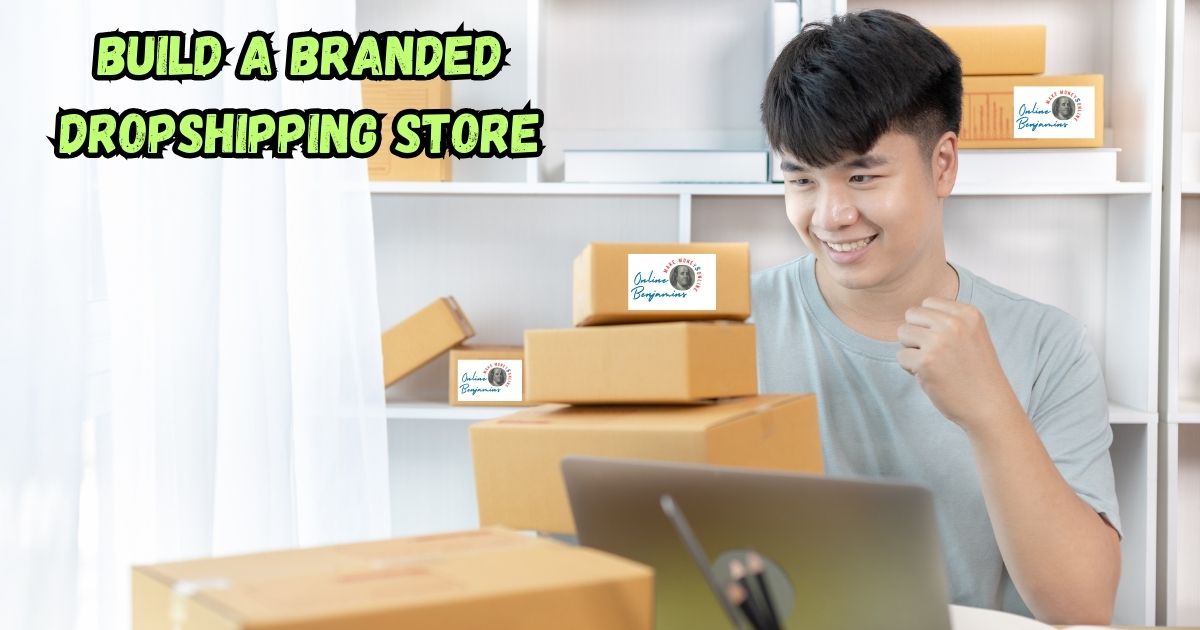
Building a branded dropshipping business means going far beyond selling generic products from overseas suppliers. I’m focusing on how a unique brand helps a store build real trust with shoppers, grow a loyal audience, and support a better profit margin compared to running a random general store. This guide shares the step-by-step process from picking the perfect niche to running a memorable store that brings customers back for more.
QUICK LOOK: – Tips for Success with Branded Dropshipping
- Regularly Update Your Store: I refresh product ranges and site design a few times a year, so repeat visitors always see something new.
- Collect and Use Customer Feedback: Getting reviews and testimonials, then displaying them on my site or social channels, helps everyone feel confident shopping with me. If I notice complaints about shipping speed or packaging, I work to improve these areas right away.
- Stay in Touch: Sending out monthly newsletters or thoughtful product updates keeps my brand top of mind without spamming inboxes. Sharing tips, stories, or behind-the-scenes snaps makes my business feel more personal.
- Invest in Customer Service: Quick, personal replies to questions or problems build trust faster than any ad. I aim for responses within a few hours whenever possible, even if it means setting aside some time each day just for customer support.
Starting with a Solid Foundation: Niche and Market Focus
Choosing the right niche is what gives a branded dropshipping business its power. I find that narrowing down to a specific product category serves you much better than offering a little bit of everything. For example, if you sell sustainable pet supplies or ergonomic home office gear, you are speaking directly to passionate groups rather than vague crowds.
Careful competitor research is really important here. I usually start by searching for top stores in my chosen niche and checking what they do well with their product range, branding, and customer engagement. Google Trends, social media, and ecommerce forums usually point me toward niches with growing interest, not just passing fads.
Picking a type of product I know or care about helps in creating genuine messages for my store later on. I like to dig into what real shoppers are buying and why. After settling on a niche, I take time to confirm that this market isn’t just interesting to me, but is also big enough to support steady sales.
Tools like Google Keyword Planner and SEMrush help me track down how many people are searching for these product ideas. Looking at seasonality and trends keeps my store from hitting slow months with no warning. Sometimes, asking in online communities gives me firsthand feedback on what’s missing in the market.
Developing Your Brand Identity
Your brand is much more than a logo on your homepage; it covers everything from your values and story to how you respond to emails. I recommend you write out your brand’s mission, target audience, and voice before setting up anything on your website. Picture the kind of shopper you want to attract and what problems your products solve for them.
I usually pick a store name that matches my niche and can grow as my product range grows. For designing a logo and brand visuals, free tools like Canva are reliable and let you set color schemes and font styles that will show up everywhere, including packaging and ads.
The color palette I choose for the site also runs through my emails, ads, and social posts, creating a cohesive experience customers won’t forget. Even little touches, like matching icons or buttons, make the store feel more complete. Writing an “About Us” page makes a big difference in dropshipping. I share my motivation for starting the store and explain what sets my brand apart from big-box competitors.
Adding a short brand story helps customers connect better, especially if I focus on solving real problems in the niche, like eco-friendly packaging or smarter home gadgets. Every part of the store should reflect this message, from banners on the homepage to the tone in automated emails sent after an order.
Common Questions About Branded Dropshipping
I get a lot of questions when someone is starting their first branded dropshipping store. Here are answers I wish I had when beginning.
How do I pick a reliable private label dropshipping supplier?
I always request samples before committing, read online reviews, and check supplier responses to my questions. A reliable supplier responds quickly and is open to customization. I also look for ones with warehouses in my target country to cut down shipping times. If possible, I ask for a video or more photos of their operation to be sure what I’m getting into.
Is branding really needed, or can I just sell trending products?
While selling the latest trend might score some fast sales, a strong brand keeps my business running long after trends fade. Branding lets me charge more, build loyal customers, and not have to compete only based on price. It’s about building a business meant to last, not just chasing the next hot item.
What’s the best way to get my first sales?
I focus on growing an audience on social media while asking friends and family to support with shares and feedback. Early partnerships with microinfluencers and running simple social ads with a small budget help me reach the right shoppers quickly. I also try to get honest product reviews as soon as possible; these boost trust and make buyers more likely to take the plunge.
Sourcing Private Label Products and Building a Store
Sourcing products is where branded dropshipping takes a serious step up from generic stores. I focus on suppliers who offer private label or white label services because I can add my logo to products or at least customize the packaging.
Some top dropshipping platforms I use for branding include Zendrop, CJ Dropshipping, and Printify for print-on-demand apparel or gifts. These suppliers allow me to include branded inserts, thank you cards, or even custom boxes that show off my logo.
Before listing anything, I always order samples to check quality and create my own product photos. I never rely on standard supplier images, since using my own instantly boosts trust. High-resolution photos, unique angles, and videos help my products stand out and feel more real to shoppers.
When building the store itself, I use Shopify because it’s easy for me to set up, adjust as I grow, and it works well with plugins for reviews, marketing popups, and order tracking. I take time to write clear product descriptions focusing on benefits, not just technical features.
I upload quality photos and include multiple angles, lifestyle shots, and sometimes even an unboxing video. Navigation is simple, so customers can find what they want fast, and I added an FAQ page to answer common questions quickly.
My “Contact Us” info needs to stand out, not be buried at the bottom. I use a real email and, if possible, a phone number or live chat. This all signals to shoppers that I’m serious about support, not just another unknown reseller. It helps give a trustworthy vibe and encourages customers to reach out if they have doubts.
Effective Marketing Strategies and Streamlined Operations
Launching and growing a branded dropshipping business calls for focused marketing and hands-on customer service. I build awareness by posting every day or at least regularly on Instagram, TikTok, and Pinterest, using my brand’s look and voice.
Short videos showing product features, unboxing, or behind-the-scenes often get more attention than static images. Sometimes, a quick demo or a customer reaction video really clicks with viewers and gets shared widely.
Working with influencers in my niche gives my brand credibility that paid ads alone can’t match. Even small influencers with loyal followers can create social proof through real reviews and photos. I also set up email and SMS marketing from day one—collecting emails for special offers, product launches, and helpful tips.
Automated email flows for welcome messages, order updates, and postpurchase follow ups turn first-time buyers into lifelong customers. A birthday email or seasonal offer adds a personal touch that makes shoppers feel valued.
I pay extra attention to the unboxing experience, even if I’m mostly dropshipping. Including a branded thank you insert, a discount code for the next order, or a share to social hashtag gives customers a reason to remember and talk about my brand.
Even small touches, like tissue paper in brand colors, add a professional look. These details can turn a basic shipment into a shareworthy moment and help with word-of-mouth growth. To stay organized, especially as orders pick up, I set up software tools for automating order processing and inventory from suppliers.
Zendrop and AutoDS are some that I’ve found helpful. Performance tracking with basic analytics like Google Analytics and Shopify’s dashboard helps me spot which products and campaigns are working best, so I know where to double down. Regular checkups on key numbers keep my business on track without surprise problems.
Key Advantages of a Branded Dropshipping Store
Creating a branded experience helps me stand out from the sea of no-name stores. This stronger identity translates into several important benefits I see firsthand:
- Brand Recognition: Customers remember my store and are way more likely to recommend it to friends.
- Control Over Perception: I have more say in how people feel about my products and service, compared to being just another reseller.
- Greater Value Perception: With branded packaging and a well-designed store, shoppers see my products as worth more, making it easier to support a higher price point.
- Better Customer Loyalty: Consistent communication, thoughtful packaging, and a helpful support system keep buyers coming back, even if competitors have lower prices.
These strengths give my brand room to charge fair prices while keeping customers satisfied long after their first order. Customers who have a great experience will often share it, which brings in even more organic traffic to my store without spending a fortune on ads.
Tips for Long-Term Success in Branded Dropshipping
For someone serious about turning dropshipping into more than a side gig, keeping the business relevant and trusted over time is important. Here’s what I focus on to keep my store thriving:
- Regularly Update Your Store: I refresh product ranges and site design a few times a year, so repeat visitors always see something new.
- Collect and Use Customer Feedback: Getting reviews and testimonials, then displaying them on my site or social channels, helps everyone feel confident shopping with me. If I notice complaints about shipping speed or packaging, I work to improve these areas right away.
- Stay in Touch: Sending out monthly newsletters or thoughtful product updates keeps my brand top of mind without spamming inboxes. Sharing tips, stories, or behind-the-scenes snaps makes my business feel more personal.
- Invest in Customer Service: Quick, personal replies to questions or problems build trust faster than any ad. I aim for responses within a few hours whenever possible, even if it means setting aside some time each day just for customer support.
I also pay attention to market changes, such as customer interests, new supplier opportunities, or fresh marketing methods. Staying flexible and open to feedback means I can mix things up before things slow down, keeping my store ahead of the competition. Wrapping up, branded dropshipping is about more than picking products—it’s about building a business that shoppers trust, remember, and recommend.
Check Out Our Most Recent Articles:
- Scaling Content Production Without Increasing Costs

- Balancing Content Quality And Posting Frequency

- Is The Dreaded Google “Shadow Ban” Real?

- Low Website Traffic Affecting My Google AdSense Earnings
- Best Strategies To Overcome Content Creator Burnout

- Is Amazon FBA Dead?

Wishing You Much Success Building a Branded Dropshipping Business,

- onlinebenjamins.com
- thebeachangler.com
- thesinnerinthemirror.com
- diyoutdoorsmen.com
- Facebook: Online Benjamins
- Twitter: @onlinebenjamin1
- Instagram: dotcomdinero
- YouTube: Online Benjamins
Rex
P.S. If you have any questions or are unsure of anything, I am here, and I promise I will get back to you on all of your questions and comments. Just leave them below in the comment section. Follow me on Twitter: @onlinebenjamin1, Instagram: dotcomdinero, and Facebook: Online Benjamins. eco-friendly


Hi,
Thanks for stopping by and congratulations for taking the first steps to building your own online business. I’ve been in business both offline and online since 1997. I would consider it an honor to help you build your business. Father of 3, life long outdoorsman with an education in Genetics and Economics. This site is about cutting through the BS and finding the real opportunities in the online world. I look forward to working with you.