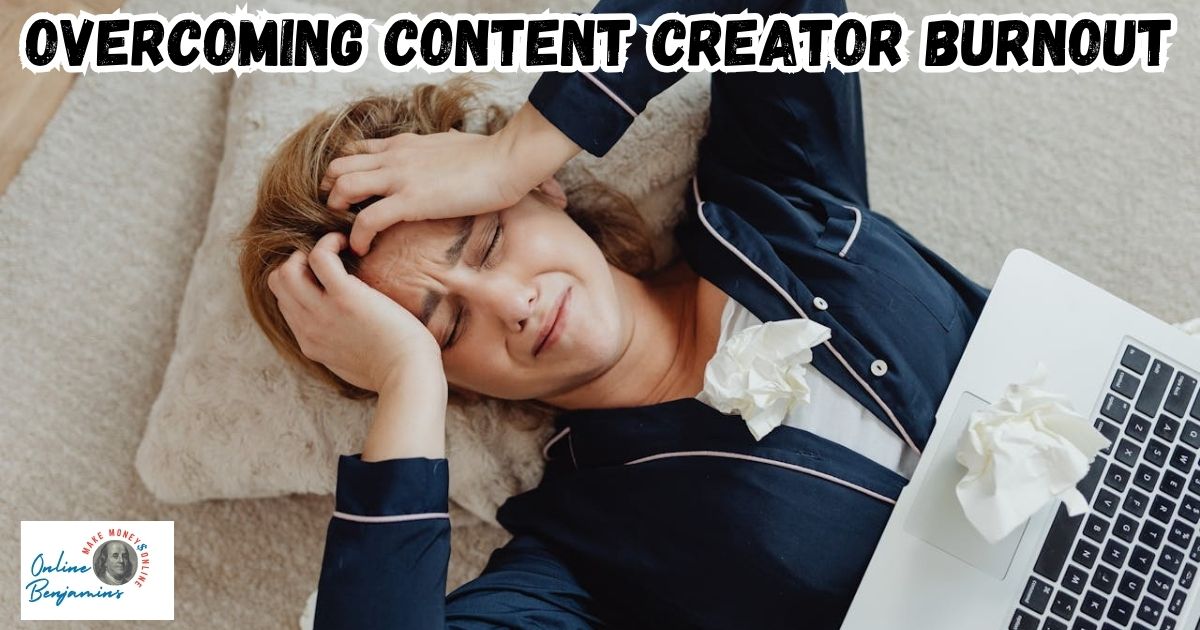
Burnout is something I’ve struggled with during my years as a content creator. It can sneak up on anyone, no matter how passionate or energetic you start. Creating on a regular schedule, trying to stand out, and responding to social media pressure can slowly drain your energy and motivation.
Finding ways to overcome burnout is really important, not just for your health but for the future of your creative work. Here’s how I handle burnout and strategies that have made content creation much more manageable for me.
Why Content Creator Burnout Happens
I noticed burnout usually comes when I push myself too hard for too long, or when I start comparing myself to others. There’s a temptation to produce more, take on every opportunity, and always hustle for attention online. Over time, this can drain creativity and make it hard to keep making things you actually care about.
Staying up late to meet deadlines, juggling editing, promotion, and responding to followers quickly, leads to exhaustion. When that fatigue sets in, even the work I love starts to feel like a chore. That’s when taking real, practical steps can switch up the direction.
Building a Sustainable Workflow for Creators
I found that technical strategies are a lifesaver for managing my workload and preventing burnout. Here are some techniques I use:
- Batch Your Work: I schedule times to create multiple pieces at once. Shooting several videos or writing blog posts in one sitting saves me hours over the week, and it feels less overwhelming than doing everything last-minute.
- Strict Work Boundaries: Setting clear work hours has changed everything for me. I decide when work stops and personal time begins, and I try to stick with it, even when I feel pressured to squeeze in one more post or edit.
- Focus on “Signal” Tasks: I put most of my energy into high-impact activities like creating content or brainstorming ideas. Time spent on minor tasks like checking analytics is kept short and scheduled, so I don’t get distracted from what matters most.
- Delegate and Automate: Getting help, either by hiring someone for editing or using scheduling tools, takes a load off. Automating repetitive jobs, like posting to social media or filtering emails, creates more headspace for creativity.
- Systemize Your Routine: Using content calendars, checklists, or project management tools cuts down on mental clutter. I’m less likely to forget things and feel less stressed because I know what’s coming up each week.
Real Breaks and Emotional Recovery
Burnout affects both mind and body. When I feel run down, mental rest becomes just as important as practical workflow changes. Here’s what helps me:
- Absolute Time Off: Sometimes stepping away from screens for a full day makes everything clearer. I like to take walks or do something completely unrelated to content, like reading or spending time with friends.
- Redefine Success: When I stop measuring my worth by social media numbers, I feel less anxious. Slowing down and accepting periods of lower output can give my creativity time to regenerate.
- Reconnect With My Purpose: Reminding myself why I started creating usually gives my motivation a boost. I might look back on old projects or scroll through messages from people who enjoyed my work.
- Practice Self-Care: Doing activities that have nothing to do with making content—like a hobby, short trip, or just cooking a good meal—helps reset my mind.
Changing Content Strategy to Prevent Burnout
Being flexible with the way I create content helped me recover when I started burning out. I make these adjustments to take pressure off:
- Lower the Frequency: Posting less often means I can put more energy into each piece. My audience values quality and honesty more than relentless posting.
- Try New Formats: Sticking with one format can get boring for me and my audience. When I experiment with new styles—short form instead of long, audio instead of video—it brings excitement back to the process.
- Find Community: Connecting with other creators, either online or in person, makes it easier to share struggles and offer advice. Knowing I’m not the only one facing these roadblocks is comforting and gives a boost to my motivation.
Early Warning Signs of Burnout
If you’re not sure whether you’re burning out, check for these signs. I always look out for them in my own workflow:
- I feel indifferent or lose excitement about new projects.
- Constant tiredness, even after sleeping, or feeling a sense of dread when thinking about upcoming tasks.
- Struggling to come up with ideas, even for topics I usually love.
Noticing these early means I can mix it up before burnout gets worse.
Immediate Steps When Burnout Hits
If I’m already feeling burned out, my priority is to recover, not “push through.” Here’s the playbook I use:
- Release Guilt: Burnout isn’t from being lazy or unmotivated. It’s my body’s way of saying it needs a break. Recognizing this helps me accept rest without feeling bad.
- Take a Real Break: I disconnect from all content and social media for a day or two, sometimes more. This digital detox helps my energy and creativity recover.
- Communicate Openly: I tell clients or brand partners about my need for a break and set new, honest timelines. Letting them know means less pressure on me and keeps relationships strong.
- Practice “Seeking Emptiness”: Instead of filling my breaks with podcasts, TV, or more information, I try to simply do nothing. This helps calm my mind and make space for new ideas down the line.
Optimizing Your Workflow to Prevent Future Burnout
Over the years, I’ve learned some habits and systems that reduce decision fatigue and help keep burnout at bay. These include:
- Batching Content: Designate days for creating multiple pieces at once so I always have content ready to go, even on low-energy days.
- Build a “Second Brain”: I keep all my ideas and notes in an app like Notion or Evernote. This means I never have to force inspiration when I’m down—I just look through my idea bank.
- Use AI and Automation: Tools that handle repetitive tasks, such as writing descriptions or video cuts, free up energy for what truly needs my attention.
- Repurpose Content: A big project or long video can be turned into social posts, newsletters, or short clips, giving me more mileage from each effort.
- Document Instead of Creating: Capturing everyday moments (even if it’s just B-roll or voice memos) means I always have material without needing fresh brainstorming every week.
Setting Boundaries and Building Resilient Habits
Maintaining a healthy routine is just as important as workflow tweaks. Here are the habits I rely on:
- Define Work Hours: I stick to set hours for creating, editing, and getting involved online, and I avoid work tasks outside these windows.
- Dedicated Workspace: Working from a specific area—never my bed—helps my mind separate work and relaxation.
- Include Plenty of Rest: I aim to spend a good chunk of time on sleep, hobbies, and lowkey fun. It feels strange, but giving myself that downtime keeps me creative in the long run.
- Unplug Daily: Intentional “no phone” time with friends or on a walk is the best way for me to recharge.
Staying Motivated and Connected for the Long Haul
Long-term success as a creator means playing the long game. Here’s what helps me keep going, even when motivation dips:
- Remember Your “Why”: Looking back at my original goals helps when I start to drift. Sometimes, making a list of why I create is enough to get back on track.
- Grow Your Community: Whether it’s a group chat, an online forum, or a local meetup, being part of a community offers advice, accountability, and motivation.
- Mix in Some Variety of Income: When I add other income streams, like memberships or digital products, I don’t have to rely on a single video or post to perform every time. This takes off some of the pressure and gives more freedom to experiment.
Frequently Asked Questions
How do I know when I’m burning out?
In my experience, the biggest clues are emotional exhaustion, feeling disconnected from my content, and having trouble being creative. If you find yourself constantly tired, putting things off, or no longer enjoying your work, it may be time to slow down.
Is taking time off risky for growth?
I used to worry about this myself, but the truth is, regular breaks actually help me come back stronger. Most audiences are understanding and value honesty. Consistent creativity over time matters more than never missing a post.
What are some good tools to help manage burnout?
I recommend using content calendars, project management apps like Trello or Notion, social scheduling apps, and even AI for simple tasks. Getting organized makes everything feel lighter.
If you’re a creator facing burnout, remember that your well-being matters. Taking care of yourself, setting clear boundaries, and building smart workflows make a huge difference. With the right strategies, content creation stays enjoyable without sacrificing your mental health.
Check Out Our Most Recent Articles:
- Best Strategies To Overcome Content Creator Burnout

- Is Amazon FBA Dead?

- Dealing With YouTube Algorithm Changes Reducing Views

- Digital Downloads Vs Printables Vs Print-on-Demand: Revenue Comparison For Creators

- YouTube Vs TikTok Monetization: Which Yields Higher Creator Income?

- Best Affiliate Marketing Programs For Small Content Creators

Wishing You Much Success with Your Content Creation,
- onlinebenjamins.com
- thebeachangler.com
- thesinnerinthemirror.com
- diyoutdoorsmen.com
- Facebook: Online Benjamins
- Twitter: @onlinebenjamin1
- Instagram: dotcomdinero
- YouTube: Online Benjamins
Rex
P.S. If you have any questions or are unsure of anything, I am here, and I promise I will get back to you on all of your questions and comments. Just leave them below in the comment section. Follow me on Twitter: @onlinebenjamin1, Instagram: dotcomdinero, and Facebook: Online Benjamins.


Hi,
Thanks for stopping by and congratulations for taking the first steps to building your own online business. I’ve been in business both offline and online since 1997. I would consider it an honor to help you build your business. Father of 3, life long outdoorsman with an education in Genetics and Economics. This site is about cutting through the BS and finding the real opportunities in the online world. I look forward to working with you.