Choosing between affiliate marketing vs ad revenue as the best way to make money as an online creator can get confusing, especially with so many options out there. Two of the most common approaches are affiliate marketing and ad revenue. I’ve experimented with both, so I’m going to explain how they compare, how each method works in practice, and which option actually pays creators more for their effort and time.
Understanding Affiliate Marketing and Ad Revenue Basics
Affiliate marketing means I earn a commission every time a reader or viewer buys a product or service through my special link. Companies use this to promote their stuff, and creators like me get paid for every sale, sign-up, or action that comes through our traffic. Affiliate links are usually added directly in my content, such as a blog review, a YouTube description, or a social media post.
Ad revenue, on the other hand, is all about getting paid when people view or click on ads mixed into my content. Ad networks like Google AdSense, Mediavine, or the YouTube Partner Program handle the backend setup. Payment models vary: the most common are CPM (Cost Per Mille, or 1,000 ad views), RPM (Revenue Per Mille), and CPC (Cost Per Click). The money I get depends on how many people see or interact with the ads.
Comparing Earnings: Affiliate Marketing vs Ad Revenue
In my experience and based on what most creators report, affiliate marketing often outpaces ad revenue by a large margin. That’s mostly because affiliate programs pay for actual conversions; real customers spending real money. Earning $20, $50, or even $100 for a single sale through an affiliate link happens way more frequently than you might expect.
If only a small number of my readers make a purchase, I can still make hundreds or thousands of dollars, even with a modest audience. Ad revenue works differently. Most networks pay just $1 to $4 for every 1,000 ad impressions, and sometimes a little more if my audience is from the US, the finance sector, or other highly valuable niches.
To generate the same $500 in ad revenue, I might need over 200,000 ad views, or even more. Unless my blog or channel is getting tons of traffic, ad earnings stay pretty low for most people. Affiliate marketing generally gives me a shot at high earnings even with a small, dedicated audience. Ad revenue only grows once I reach viral-level numbers.
Pros and Cons: What Works Best for Different Creators
Affiliate Marketing
| Pros of Affiliate Marketing |
|---|
| Large payouts per conversion. A single targeted post with the right affiliate offer can outperform months of ad earnings. |
| No minimum traffic requirements for most programs. I got started earning affiliate income before my audience was even “big.” |
| Niche audiences respond well to affiliate offers that really solve a specific problem. |
| Cons of Affiliate Marketing |
|---|
| Income goes up and down depending on product demand, season, and trends. No sales mean no earnings that day. |
| Requires constant content creation and maintaining audience trust. If I push poor-quality products, I can lose credibility fast. |
Best For: People with engaged, problem-aware followers. Reviewers, educators, and creators in specialized niches tend to earn more.
Ad Revenue
| Ad Revenue Pros |
|---|
| Very passive after initial setup; pretty much “set it and forget it.” |
| Predictable once traffic levels are consistent. I’ve seen regular ad payments come through on schedule as long as my content keeps pulling in views. |
| Works well for broad, entertainment, or news content with massive viewership. |
| Ad Revenue Cons |
|---|
| Super low payout per visitor, often just a few dollars per 1,000 people. |
| Most premium networks, such as Mediavine, only accept creators with at least 50,000 sessions a month. |
| Ads can annoy your audience and detract from user experience. |
Best For: High-traffic blogs, viral YouTubers, meme pages, or news and entertainment publishers.

How Much Can Creators Earn?
Affiliate earnings depend heavily on my niche, the usefulness of the product, my content quality, and the relationship I’ve built with my audience. For example, if I run a technology review blog, making ten sales of a $200 SaaS tool (with a 20% commission) generates $400 in affiliate income from just ten conversions.
On the other hand, those same ten visitors would likely make me pennies if I counted on ads alone. Ad revenue is predictable but slow to scale. For every 1,000 ad impressions, earnings usually fall between $1-$4. Some finance, health, or tech sites do better, but I would still need tens of thousands of views to reach even $100 monthly.
For most creators, that means a long wait before ad earnings make a major difference in their overall income. If you pay attention to success stories within the creator community, you’ll notice that many people who have built sustainable brands frequently combine both strategies.
They focus on high-converting affiliate partnerships for bursts of income from dedicated posts or videos, while keeping ad networks running in the background for reliability. This combo not only helps them reach a more stable monthly revenue but also lets them experiment with new income streams as their audience grows.
Which Approach Pays Creators More?
Affiliate marketing almost always outperforms ad revenue, especially for small and mid-size creators with dedicated niches. I’ve watched as a good affiliate post brought in $100 in a day. In contrast, my ad earnings barely registered. The big advantage is that I’m rewarded for sales and high-intent actions.
Ad revenue works great for massive content machines or YouTube channels with millions of subscribers. For most people starting, the income potential is just too low. The trade-off is scale for stability. Ad revenue is more stable and grows passively over time, but affiliate revenue can be life-changing, even with a much smaller audience.
The decision between these models depends on how you want to interact with your followers. Affiliate marketing takes more effort up front; you need to craft helpful content, nurture trust, and choose offers that fit your readers. Ad revenue steps in as a steady safety net. When some posts don’t convert, you’ll at least make some ad money while you tweak your strategy or test different affiliate products in the future.
Quick Comparison TableFeatureAffiliate MarketingAd RevenueBest ForNiche, trust-based audiencesEntertainment, viral contentTypical Pay$1,000–$10,000+ (Intermediate)$15–$30 per 1,000 viewsEffort LevelHigh (content needs to convert)Low (content just needs to be seen)Startup CostLow to noneLow to noneTraffic NeededHundreds to thousandsTens of thousands to millions
Frequently Asked Questions
How do I know which method fits my content best?
Ask yourself what type of audience you have. If you have a niche or solution-driven audience that trusts your recommendations, affiliate marketing is probably right for you. If your content is viral, popular, or entertainment-focused, ad revenue is a better foundation.
Can I use both on the same website or channel?
Yes, and in fact, many successful creators do this. I use affiliate links in targeted posts or videos, while background display ads run sitewide or across my videos. It’s a balance that covers both high-intent and casual traffic.
Do I need to register for multiple affiliate programs?
You can join as many programs as you like. Amazon Associates is a popular starting point, but direct company ambassador or referral programs pay more. It helps to research and match programs to your audience’s interests.
Does affiliate marketing hurt SEO?
Not if you keep your content useful, honest, and helpful. Make sure to disclose affiliate relationships and focus on providing value. Overstuffing pages with too many links or thin content can have a negative effect.
Real-World Examples and My Own Insights
Affiliate marketing worked best for me when I focused on products I’d actually used, like email marketing tools, web hosting providers, or educational courses. By sharing honest reviews and how-to guides, I’ve seen higher conversion rates even with a small group of readers or viewers.
One detailed product guide with affiliate links often out-earned every display ad running across the rest of my site in the same month. On websites I run that get higher traffic, ad revenue makes sense for extra passive income. It’s not a game-changer, but it smooths out monthly earnings and doesn’t require me to pitch anything to my audience.
I just need to keep publishing content and bring in as much traffic as possible. If one post goes viral or ranks high on Google, the earnings can spike with almost no extra effort. To give another example, a friend of mine runs a personal finance blog and primarily uses affiliate marketing. In one month, she earned over $2,000 just by recommending financial apps and tools she loves, all with fewer than 10,000 monthly visitors.
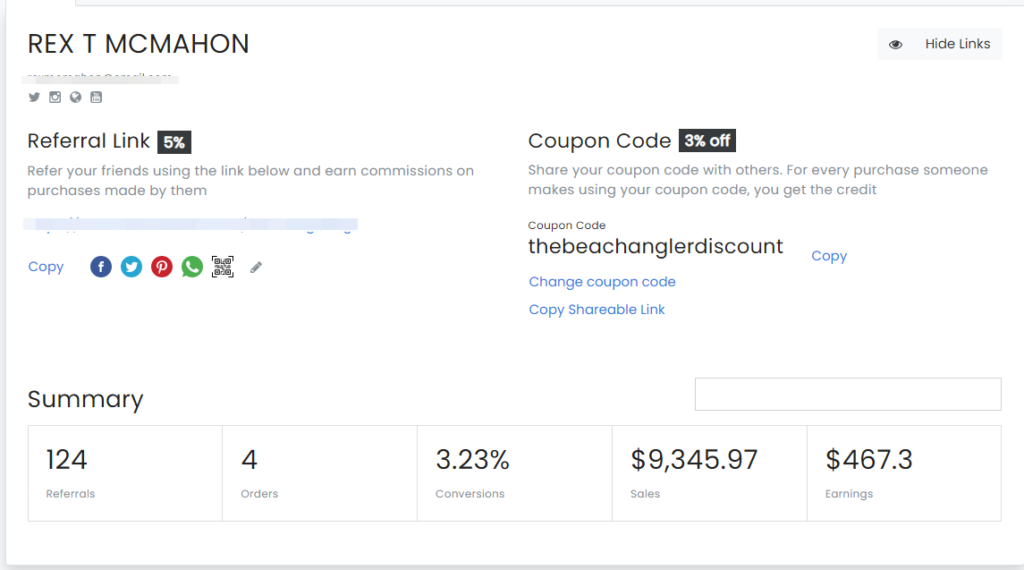
In comparison, her ad revenue rarely breaks $100 for the same amount of traffic. This really drives home how tailored offers boost your overall income, even if your platform isn’t massive. We use a platform called “Wealthy Affiliate” to run our online businesses. It has all the AI Tools, training, and community support you need to build a successful business in today’s online world. You can check it out for yourself; if you’re interested, they have a free trial.
Things to Consider When Choosing Your Monetization Strategy
The choice really comes down to your audience size, niche, and the kind of relationship you have with your followers. Affiliate marketing pays much better per engaged visitor, especially if your readers or viewers trust your recommendations. Ad revenue is safer if you don’t want to “sell” or promote specific products.
Combining both is a good way to mix in some variety. I like adding affiliate links to in-depth posts, reviews, or resource pages for higher earnings. Meanwhile, all my content runs basic ad scripts in the background for extra stability. This way, I benefit from occasional affiliate windfalls, and ad revenue softens the ups and downs of product launches or seasonal dips.
Pay attention to your content type, too. If you create viral entertainment or news, ads usually work best. If you create how-tos, recommendations, or focused reviews, affiliate strategies take your income a lot further, a lot faster. Also, consider your long-term goals: are you aiming for passive income, or do you prefer getting involved with brands and building deeper connections with your audience?
It’s also important to think about how user-friendly your content remains. Too many ads can annoy or drive away loyal followers, but relying only on affiliate sales might lead to pressure-to-sell syndrome. Balancing them means you’re covering your bases while keeping followers happy and your earnings steady.
Final Thoughts on Affiliate Marketing vs Ad Revenue
Affiliate marketing usually pays creators more for each engaged viewer, especially in niches where trust plays a key role. Ad revenue only outshines affiliate income once you hit massive traffic numbers. For most creators, including those just starting, building up affiliate income is much faster and more rewarding. I use both methods to balance quick wins with consistent background earnings, making my creative projects more financially sustainable over time.
Check Out Our Most Recent Articles:
- Managing Multiple Social Media Platforms Efficiently

- Affordable Studio Lighting Kits To Level Up Your Video Content

- Optimizing Blog Posts For GEO To Boost Affiliate Revenue

- Profitable Full-Time Blogging with Diversified Income Streams

- Increasing Engagement To Boost Affiliate Marketing Income

- Scaling Content Production Without Increasing Costs

Wishing You Much Success in Growing Your Online Income,

- onlinebenjamins.com
- thebeachangler.com
- thesinnerinthemirror.com
- diyoutdoorsmen.com
- Facebook: Online Benjamins
- Twitter: @onlinebenjamin1
- Instagram: dotcomdinero
- YouTube: Online Benjamins
Rex
P.S. If you have any questions or are unsure of anything, I am here, and I promise I will get back to you on all of your questions and comments. Just leave them below in the comment section. Follow me on Twitter: @onlinebenjamin1, Instagram: dotcomdinero, and Facebook: Online Benjamins.


Hi,
Thanks for stopping by and congratulations for taking the first steps to building your own online business. I’ve been in business both offline and online since 1997. I would consider it an honor to help you build your business. Father of 3, life long outdoorsman with an education in Genetics and Economics. This site is about cutting through the BS and finding the real opportunities in the online world. I look forward to working with you.