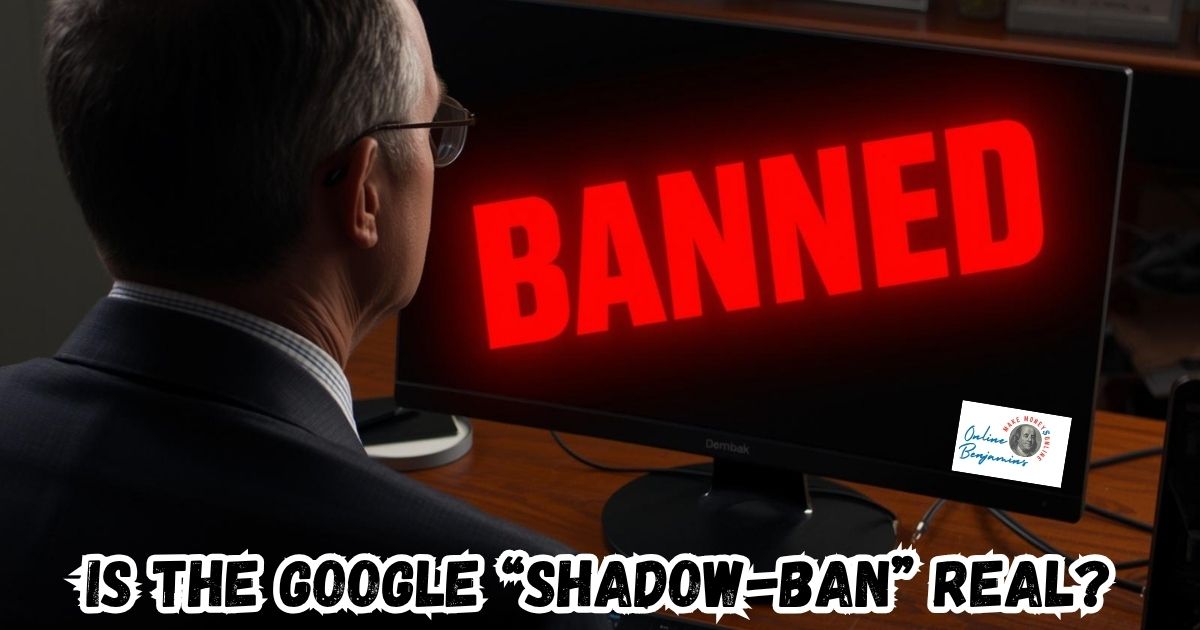
The idea of a Google “shadow ban” comes up in many online discussions, especially among website owners, YouTube creators, and people reviewing places or products. A shadow ban refers to a situation where someone’s content seems hidden or less visible, even though there is no official notification from Google.
QUICK LOOK: – Signs Your Content may be “Shadow-Banned” By Google
- Sharp, Sudden Drop in Traffic: Seeing a huge dip on Google Analytics or YouTube Analytics, separate from seasonal trends or expected changes, can signal automated content suppression.
- Invisibility to Others: When your review is only visible to you or your video disappears from search and recommendations, but stays up on your channel, your content could be shadow-banned.
- Missing From Search Results: Google your exact review, website page, or video title in incognito mode. If it does not appear anywhere for others but you still see it when logged in, this is a strong hint.
- No Official Notification: If no manual penalty is present in Google Search Console or YouTube Studio, but your content is not performing as expected, algorithmic filtering may be responsible.
I have seen people share stories of sudden traffic drops, disappearing reviews, or stagnant growth on their platforms; it can be confusing to know whether a shadow ban is really happening or if something else is going on. Heck, even this site is being shadow-banned by Google.
Understanding the Concept of a Google Shadow Ban
Shadow banning is a term originally used on social media platforms to describe when a user’s content is made invisible to others without warning them. On Google platforms, the situation is a little more complicated. Google does not officially acknowledge the existence of shadow bans on Search, Maps, or YouTube.
Instead, restrictions on content visibility are usually the result of automated spam filters, ranking algorithms, or policy violations. When I talk with people online and in my professional network, it is clear that many believe shadow bans are real in effect, even if not recognized by Google as a specific policy.
The effects can be pretty frustrating. You might notice your website pages vanish from search, YouTube videos stop appearing in recommendations, or your Google Maps reviews only show up when you are logged in, never to the wider public.
How Shadow Ban Effects Appear Across Google Platforms
The experience of a shadow ban differs depending on which Google service you use. Here are a few common scenarios:
- Google Maps & Reviews: Many users have said that detailed reviews or critical feedback are only visible to themselves, not to others, even after posting. This usually happens when the filters decide that the review might be spam or breaks local guidelines.
- Google Search (Websites): Website owners sometimes notice a sudden and dramatic fall in search traffic. They may check their Search Console and see no manual actions, but still lose most of their visibility for certain keywords. This is often the result of algorithm updates, spam detection, or perceived low-quality content.
- YouTube: Content creators have discussed seeing videos become almost invisible on YouTube, with views flattening and growth stalling. Video comments might also be hidden from public view if flagged by automatic moderation filters, even when they do not seem inappropriate.
In each of these cases, Google does not provide any kind of formal warning. The process is usually fully automated, making it difficult for users to understand if or why they have been “shadow-banned.” The lack of transparency only adds to the confusion, leading many to speculate about the mechanisms behind these visibility changes. Open dialogue in online forums reveals that the uncertainty of automated actions often triggers anxiety for content creators and reviewers.
Why Google Takes These Actions (Even if They Deny the Term “Shadow Ban”)
Google uses complex algorithms to protect users from spam, misinformation, or violations of platform policies. These systems run automatically and constantly grow and change. Here are some main reasons why your content might be suppressed or filtered out:
- Spam Detection: Automated filters look for patterns that are common to spam. For reviews, this could be too many reviews from the same IP, reviews about places not visited, or the use of banned keywords. For websites, aggressive SEO tactics like link buying or keyword stuffing trigger filters.
- Low-qualitygrowgrowLow-quality
- Policy Violations: Breaking Terms of Service is a direct way to get content hidden. Sometimes, even content that falls into a gray area can be restricted, especially after algorithm updates.
- Algorithmic Updates: Google regularly puts out updates focused on trust, expertise, and helpfulness. If content does not meet updated expectations, it may drop in rankings—even if nothing changed on your end.
Often, these adjustments are not aimed at one person but are part of efforts to keep Google’s platforms reliable. As the volume and variety of content grow fast, Google’s filtering and detection tools become more sensitive, sometimes to the point of flagging legitimate content incorrectly. Keeping an eye out for changes and understanding Google’s public guidelines can help you adapt if your reach suddenly drops.
Common Signs That Could Mean You Are Shadow Banned by Google
Recognizing the signs is helpful for anyone creating content or managing a website. If you suspect your visibility is being reduced by Google, some indicators to pay attention to include:
- Sharp, Sudden Drop in Traffic: Seeing a huge dip on Google Analytics or YouTube Analytics, separate from seasonal trends or expected changes, can signal automated content suppression.
- Invisibility to Others: When your review is only visible to you or your video disappears from search and recommendations, but stays up on your channel, your content could be shadow-banned.
- Missing From Search Results: Google your exact review, website page, or video title in incognito mode. If it does not appear anywhere for others but you still see it when logged in, this is a strong hint.
- No Official Notification: If no manual penalty is present in Google Search Console or YouTube Studio, but your content is not performing as expected, algorithmic filtering may be responsible.
Other signs to look out for include reduced engagement despite active promotion and a lack of responses from outside your regular audience. If you regularly publish on Google platforms and notice limited interaction even as you share fresh and relevant content, automated filters may be at play. Comparing your content’s performance with similar work from others can also give you a sense of whether your drop in visibility is unique or part of a wider trend after an algorithm update.
Common Reasons for “Shadow Banning” on Google
Understanding why you might lose visibility can help you take action to recover. Based on my experience and research, here are some usual suspects that can cause your content to be suppressed or hidden:
- Spammy Behavior: Repeated or copied reviews, unreliable traffic sources, unnatural backlink profiles, or keyword-stuffed content.
- Technical Glitches: Indexing errors, robots.txt misconfigurations, or page settings that accidentally block search engines. This can happen even if you have not broken any guidelines.
- Algorithm Update Impact: A large Google update focused on content quality or trust can reduce site visibility, even if you are unaware of changes to your site.
- Low Engagement: On platforms like YouTube, consistently low user engagement rates can push your content out of recommendations, even without policy violations.
Other issues might involve negative SEO attacks, where competitors create harmful links to your site to harm your rankings. Internal mix-ups, such as wrong settings on your Google profile or problems with structured data, can also affect organic search results and map visibility. Regular maintenance and auditing of your online content can prevent unexpected drops in visibility and improve your overall reputation on Google’s platforms.
What to Do If You Think You Are Shadow Banned
There are practical ways to check and possibly fix a suspected shadow ban:
- Use Incognito Browsing: Search for your content (review, page, video) while not logged into your Google account. Try accessing it from different devices or locations.
- Send Links to Friends: Ask others to find your review or video by link or keyword search. If it is consistently invisible to everyone but you, filtering may be in place.
- Check Analytics: Look for patterns in traffic loss that align with known algorithm updates or spam filtering events. Sudden cliffs are especially telling.
- Review Official Tools: Google Search Console and YouTube Studio can show if penalties or technical issues are flagged. If no notice is present, you could be facing algorithmic suppression.
If the above steps confirm your content is being filtered or is invisible to others, take action right away. Clean up any suspicious SEO activities, improve the value of your content, and fix any technical errors. Engage with Google’s help communities for tips, and stay updated on important announcements so you can adjust strategies before bigger losses occur. Remember, the drop in visibility is not always permanent; consistent improvement can often reverse the effects over time.
How to Avoid or Recover from a Google Shadow Ban
While there is no simple “appeal” process for algorithmic shadow bans, I have seen these steps help many people regain visibility:
- Improve Content Quality: Focus on unique, well-researched, and valuable content. Avoid duplicating what is already available and steer clear of clickbait.
- Clean Up SEO Tactics: Remove any manipulative backlinks or unnatural keyword use. Stick to the official Google Search Essentials for the best results.
- Follow Platform Policies: On Google Maps, leave honest, detailed reviews from real visits. On YouTube, follow community guidelines and avoid inflammatory language or misleading metadata.
- Update Technical Elements: Ensure proper website indexing, check robots.txt, and fix any crawl errors detected by Search Console.
Careful research helps buyers and creators make informed choices. Many users wrongly assume malicious intent, but often, algorithmic or quality checks are behind sudden visibility changes. Open communication with other creators in SEO forums and following trusted sources can shed light on current best practices. Regularly keeping an eye out for updates, participating in community discussions, and checking official documentation can give you an edge in anticipating and addressing suppression issues.
Frequently Asked Questions about the “Shadow Ban”
Can I contact Google directly if I suspect a shadow ban?
Google support does not process shadow ban appeals, but you can seek help in community forums or review Search Console and YouTube Studio for flagged issues.
Does Google admit to Google’s Shadow Ban?
Google denies the use of shadow bans as a tactic. Any loss of visibility is described as the result of quality filtering, policy enforcement, or algorithm updates.
How can I check if my Google Maps review is visible to others?
Log out and search for the review from a different device, or ask someone else to check. If others cannot see it, it is probably filtered.
If my content is hidden, will fixing the problem restore my visibility?
In many cases, yes. Cleaning up your content quality and following all guidelines typically helps, but recovery can be slow if an algorithmic change triggered the drop.
RealWorld Experiences and Community Opinions
Discussions on Reddit, Google Help forums, and spots like Quora show some common themes. People often feel frustrated by the lack of transparency and the absence of formal notifications from Google. For example, several Reddit users have detailed traffic collapses that were not caused by anything on their end. Others have documented Google reviews disappearing after moderation, even though they followed the rules.
Critics sometimes link shadow bans to accusations of bias or targeting of certain political or religious topics, though there is little hard evidence to confirm large-scale intentional suppression. Most experts agree that the main driver is algorithmic automation, not personal bias.
With no way to force Google to increase your content visibility, the best approach is to create content that follows guidelines, avoid gray area tactics, and stay informed about changes to ranking systems and filters. Learning from shared community experiences, such as those found in online groups and professional forums, can also help you spot trends and develop strategies to bounce back after a sudden loss in traffic or visibility.
Understanding whether Google’s shadow banning is real comes down to how you define it. While Google will not use this term, its platform systems can easily suppress or hide content based on ever-changing rules and algorithms.
Checking your content’s visibility, following guidelines, and focusing on authentic contributions can help avoid most issues. Stay proactive, stay informed, and keep checking in with the broader community for new solutions and updates.
Check Out Our Most Recent Articles:
- Managing Multiple Social Media Platforms Efficiently

- Affordable Studio Lighting Kits To Level Up Your Video Content

- Optimizing Blog Posts For GEO To Boost Affiliate Revenue

- Profitable Full-Time Blogging with Diversified Income Streams
- Increasing Engagement To Boost Affiliate Marketing Income
- Scaling Content Production Without Increasing Costs

Wishing You Much Success in Overcoming the Google Shadow Ban,
- onlinebenjamins.com
- thebeachangler.com
- thesinnerinthemirror.com
- diyoutdoorsmen.com
- Facebook: Online Benjamins
- Twitter: @onlinebenjamin1
- Instagram: dotcomdinero
- YouTube: Online Benjamins
Rex
P.S.If you have any questions or are unsure of anything, I am here, and I promise I will get back to you on all of your questions and comments. Just leave them below in the comment section. Follow me on Twitter: @onlinebenjamin1, Instagram: dotcomdinero, and Facebook: Online Benjamins.


Hi,
Thanks for stopping by and congratulations for taking the first steps to building your own online business. I’ve been in business both offline and online since 1997. I would consider it an honor to help you build your business. Father of 3, life long outdoorsman with an education in Genetics and Economics. This site is about cutting through the BS and finding the real opportunities in the online world. I look forward to working with you.